


A sales manager told me recently that his company's problem was brand. We need to build a brand like Apple, he said. The company is a transport business, two years old. I understood the frustration behind it, and it sent me looking for what we were actually missing.
I hear this often, and I hear its personal version even more. People tell me they are working on their personal brand, or that they did something for branding. When I ask what a brand is, the answers go vague. A word used this often and understood this little deserves a closer look.
I am not against brands. Apple sells phones and earbuds far above what they cost to make, and the difference is the brand. My objection is to the order. Almost everyone who says they need a brand is trying to begin at the end.
What a brand is
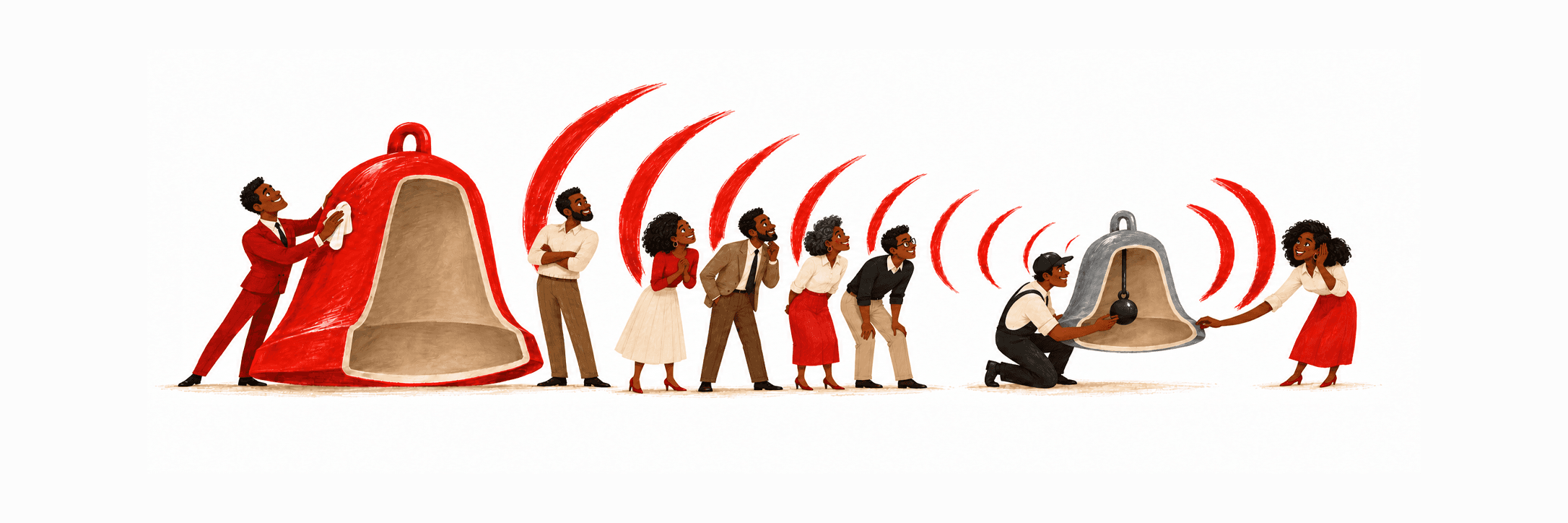
A brand is a promise kept long enough to be remembered. A line often credited to Jeff Bezos puts it more simply: your brand is what people say about you when you are not in the room.
Both definitions place the brand in someone else's head. You cannot install it there. You can only give people something worth repeating, again and again, until the repetition becomes a name. The logo, the colors and the campaigns help that name get recognized. The name itself comes from the work.
The exceptions are real
The skeptic has evidence. Coke and Pepsi are nearly identical in chemical composition, yet in a 2004 study published in Neuron, knowing a drink was Coke changed both what people said they preferred and how their brains responded. The label changed the taste. Byron Sharp's research on how brands grow finds that for mass products, being easy to remember and easy to buy matters more than being different.
These are the exceptions of exceptions: categories where products are nearly identical and the brand does work the product cannot. They are worth aspiring to, and they were earned. Apple was the best at something before its name meant anything. Coca-Cola spent a century being everywhere before its label could change a taste. A founder who starts with the premium gets the price without the product.
The order
The work comes in four steps, and they cannot be rearranged.
- Choose what you will be the best at. Speed, quality, price or experience. Ask what makes you the only sensible choice in your market. A company that tries to lead on all four becomes known for none.
- Set the standard and keep it on every job. Treat every order as a work of art, with care, respect and improvement every day. Set standards high enough that the outcome stops depending on luck. Brands are made here, in work nobody is watching.
- State the promise. Once the standard holds, put it into words customers can repeat. FedEx promised delivery when it absolutely, positively had to be there overnight. The line worked because the planes and the sorting hub already made it true.
- Invest in the brand. Now the campaigns and the design have something to amplify. Apple and Coca-Cola live here, and most founders try to start here.
The test for which step you are on is simple. Ask a customer what you are the best at. If they cannot answer in one sentence, you are not ready for step four.
The personal version
Personal branding has an origin story. Tom Peters named it in a 1997 Fast Company cover story, "The Brand Called You," which told every worker to act as the chief executive of their own career. His own team has since written that the idea was always about bringing value through your work, and that many people mistook it for appearance.
What grew from that mistake is performance: posting about the work instead of doing it, and managing how you look instead of what you deliver. For a person, the four steps hold exactly as they do for a company. Choose what you will be the best at. Keep the standard on every task, including the ones nobody checks. Let people know what you can be trusted with. The name follows, and so does the pay. Steve Martin's advice to young performers is the whole method: be so good they can't ignore you.
The personal-brand crowd has one real point. Excellent work that nobody sees can go unrewarded, and quiet people do get passed over. But look at where the rewards are decided. Promotions, raises, new responsibility and plain appreciation are handed out by the people you work beside, and they see your work every day. The audience that matters is already in the room.
So let the work be seen where it is judged. Deliver it well, make its results clear to the people who depend on it, and let them speak for you when you are not there. That is evidence. A reputation built on evidence compounds, while one built on appearance has to be fed every day.
Aspire to the standard
Nobody should aspire to a brand, because a brand is not something you do. It is the name people give to what you did, repeatedly, when they were paying attention and when they were not. A brand belongs with respect and trust: demand any of them and it slips away, but become worth it and it is given.
Aspire instead to be the only sensible choice for one thing. Do that work with care every day, and raise the standard each time you meet it. The brand is what the market calls you once it has no choice but to talk about you.